March 26, 2026
March 26, 2026
In a world where consumer preferences shift rapidly and dining habits evolve with cultural and technological influences, restaurants must remain flexible to stay relevant. The modern food industry is no longer static; instead, it thrives on innovation, responsiveness, and a deep understanding of what customers want next. From digital transformation to sustainability efforts, restaurants are constantly refining their strategies to keep pace with emerging food trends. Adapting is not simply about survival—it is about growth, creativity, and maintaining a competitive edge in a crowded marketplace. By embracing change and anticipating future demands, restaurants position themselves to meet expectations while delivering memorable dining experiences.
Embracing Technology to Stay Competitive
Technology has become a cornerstone of how restaurants adapt to changing food trends. Digital ordering systems, mobile apps, and contactless payments have transformed how customers interact with dining establishments. These tools not only improve efficiency but also cater to modern expectations for speed and convenience. By integrating online ordering platforms, restaurants can serve customers beyond their physical locations, expanding their reach and increasing revenue opportunities.
In addition to front-end technology, back-end systems play a vital role in streamlining operations. Inventory management software and automated scheduling tools allow restaurants to reduce waste and optimize staffing. These innovations free up time and resources, enabling teams to focus more on delivering quality food and service. As technology continues to evolve, restaurants that invest in these tools are better equipped to adapt quickly to shifting trends and customer demands.
Monitoring Social Media for Emerging Trends
Social media platforms have become powerful drivers of food trends, influencing what people crave and where they choose to dine. Restaurants that actively monitor platforms like Instagram and TikTok gain valuable insights into what is currently popular. Viral dishes, aesthetic presentations, and influencer recommendations often shape consumer expectations, making it essential for restaurants to stay informed.
Engagement on social media also allows restaurants to build stronger relationships with their customers. By sharing behind-the-scenes content, responding to feedback, and showcasing new menu items, businesses can foster a sense of community. This interaction creates loyalty and encourages repeat visits. Additionally, real-time feedback from customers enables restaurants to adjust quickly, ensuring they remain aligned with current preferences.
Leveraging Data Analytics for Smarter Decisions
Data-driven decision-making has become increasingly important in the restaurant industry. By analyzing customer behavior, purchasing patterns, and feedback, restaurants can anticipate trends rather than simply reacting to them. This proactive approach allows for more strategic menu planning and marketing efforts.
Predictive analytics can identify which dishes are likely to gain popularity, helping restaurants refine their offerings before trends peak. It also aids in inventory management, reducing food waste and improving cost efficiency. As competition intensifies, restaurants that utilize data analytics gain a significant advantage, allowing them to adapt with precision and confidence.
Incorporating Smart Kitchen Innovations
Modern kitchens are becoming more advanced, with smart appliances enhancing efficiency and consistency. Automated cooking equipment, temperature-controlled storage, and interconnected systems help ensure that food is prepared to exact standards every time. These innovations reduce human error and improve overall productivity.
By adopting smart kitchen technology, restaurants can also focus more on creativity and experimentation. Staff members are freed from repetitive tasks, allowing them to develop new dishes and refine existing recipes. This balance between efficiency and innovation is crucial for staying ahead in an industry driven by constant change.
Enhancing Dining Experiences Through Innovation
Beyond food itself, the overall dining experience plays a significant role in how restaurants adapt to trends. Interactive menus, immersive environments, and personalized service are becoming increasingly popular. Some restaurants are experimenting with augmented reality or themed dining concepts to create memorable experiences that go beyond the plate.
These innovations help differentiate restaurants in a competitive market. Customers are not just looking for a meal—they are seeking an experience worth sharing. By focusing on ambiance, service, and creativity, restaurants can attract new audiences and maintain relevance in an ever-changing landscape.
Prioritizing Local and Sustainable Sourcing
Sustainability has become a defining trend in the food industry, and restaurants are responding by prioritizing local and ethical sourcing. Building relationships with nearby farmers and suppliers allows restaurants to offer fresher ingredients while supporting local economies. This approach resonates with consumers who value transparency and environmental responsibility.
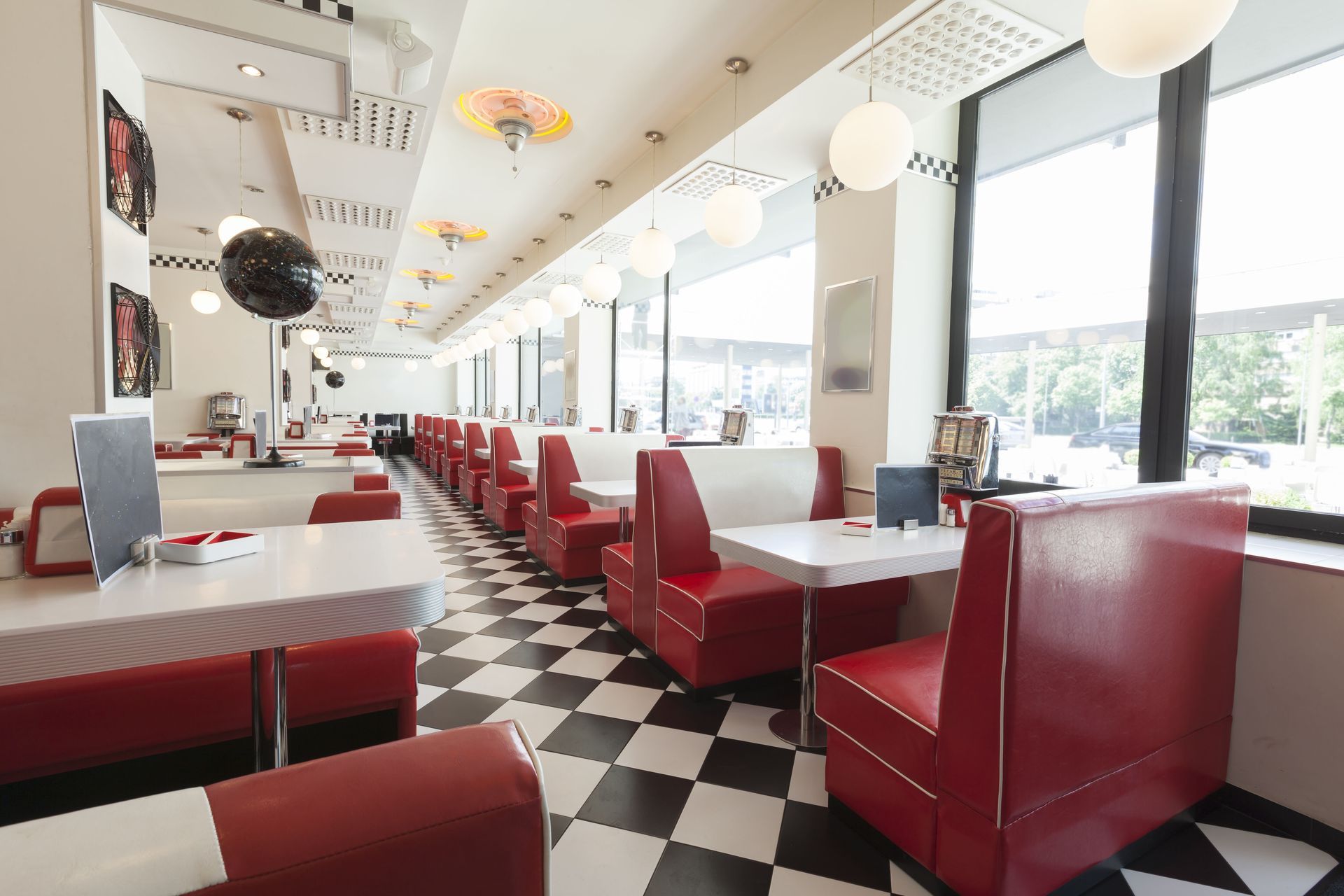
According to the World Record Academy, by the 1940s and 50s, diners had evolved from mobile lunch wagons to full-service, sit-down restaurants and could be found throughout New England and beyond. This historical shift highlights how restaurants have always adapted to societal changes, including the growing importance of community and local influence. Today, that same spirit is reflected in the emphasis on sourcing ingredients closer to home.
Highlighting Health-Conscious Menu Choices
As awareness of nutrition and wellness continues to grow, restaurants are adapting by offering healthier options. Organic, non-GMO, and minimally processed ingredients are increasingly featured on menus. Customers are paying closer attention to what they eat, and restaurants must respond by providing choices that align with these values.
Incorporating healthier options does not mean sacrificing flavor. Instead, it drives chefs to innovate and create dishes that are both nutritious and appealing. By highlighting these offerings, restaurants can attract a broader audience, including those with specific dietary preferences or restrictions.
Adapting Menus to Seasonal Availability
Seasonal menus are another way restaurants stay aligned with current food trends. By rotating dishes based on ingredient availability, restaurants can ensure freshness while reducing their environmental impact. Seasonal offerings also create a sense of excitement, encouraging customers to return and try something new.
This approach allows chefs to showcase their creativity and adaptability. It also reinforces the connection between food and the natural world, which is increasingly important to today’s diners. Restaurants that embrace seasonality demonstrate a commitment to quality and sustainability, both of which are key factors in modern dining decisions.
Exploring Global Flavors and Fusion Concepts
Culinary exploration is a major driver of food trends, and restaurants are embracing global influences to keep their menus exciting. Fusion cuisine, which blends elements from different cultures, allows chefs to create unique and innovative dishes. This approach appeals to adventurous diners who are eager to try new flavors.
By incorporating international ingredients and techniques, restaurants can offer a diverse range of options that cater to varying tastes. This diversity not only attracts new customers but also keeps existing patrons engaged. As globalization continues to influence dining habits, restaurants that experiment with global flavors are better positioned to remain relevant.
Introducing Plant-Based and Alternative Options
The rise of plant-based diets has significantly impacted how restaurants design their menus. Offering vegan and vegetarian options is no longer optional—it is a necessity. These dishes appeal to a wide range of customers, including those who are reducing their meat consumption for health or environmental reasons.
Restaurants are responding by developing creative plant-based dishes that rival traditional offerings in taste and presentation. This innovation extends beyond simple substitutions, focusing instead on crafting unique and satisfying meals. By embracing this trend, restaurants can expand their customer base and stay aligned with evolving dietary preferences.
Creating Limited-Time and Trend-Driven Offerings
Limited-time menu items are an effective way for restaurants to experiment with new trends without making permanent changes. These offerings create a sense of urgency, encouraging customers to visit before the item is gone. They also provide an opportunity to test new concepts and gather feedback.
This strategy keeps menus dynamic and engaging, ensuring that restaurants remain fresh and exciting. By regularly introducing new items, restaurants can maintain customer interest and adapt quickly to emerging trends. This flexibility is essential in an industry where preferences can change almost overnight.
The ability to adapt is what defines successful restaurants in today’s fast-paced culinary environment. From embracing technology and analyzing data to sourcing sustainable ingredients and experimenting with new flavors, restaurants must continuously evolve to meet changing expectations. These adaptations are not isolated efforts but part of a broader strategy to remain relevant and competitive.
As food trends continue to shift, restaurants that prioritize innovation, flexibility, and customer engagement will stand out. The industry has always been shaped by change, and those who embrace it are the ones who thrive. By staying informed, creative, and responsive, restaurants can navigate the challenges of an ever-changing landscape while delivering exceptional dining experiences that keep customers coming back. If you're looking for new restaurants to try in Tennessee or California, stop in to Doublz today.